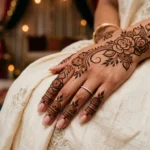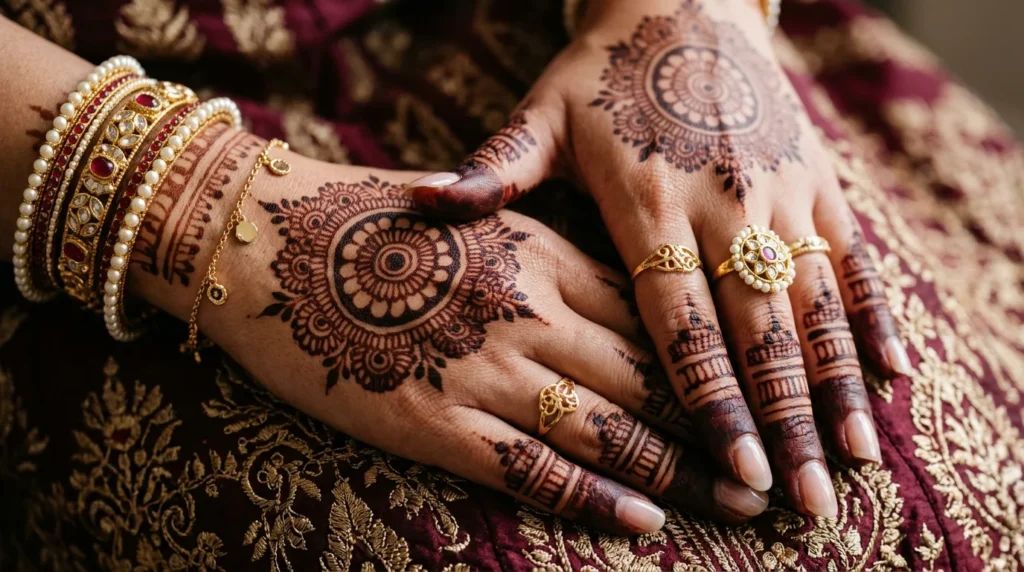
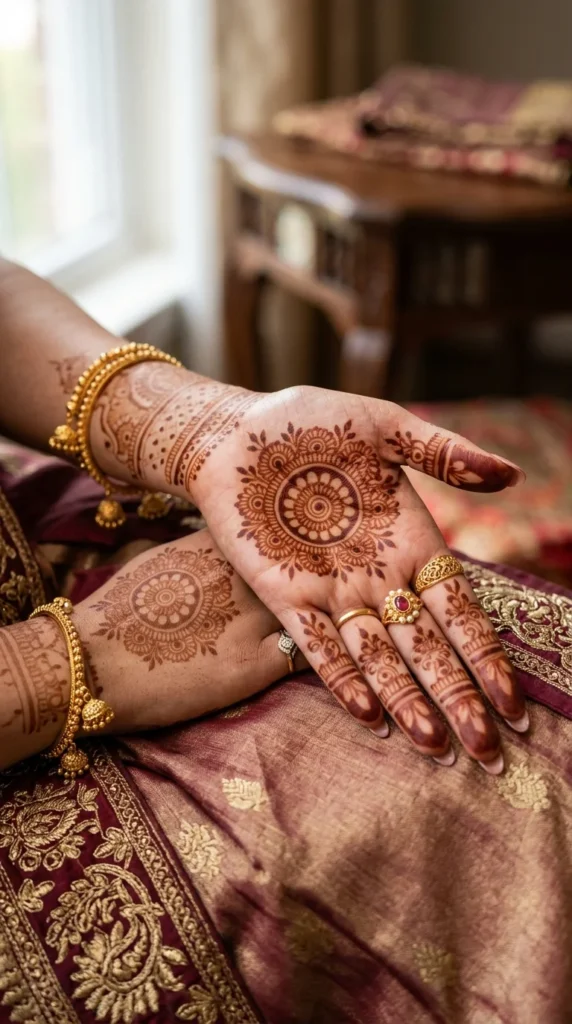
Tikki mehndi designs have remained a favorite choice for generations because they combine simplicity with eye-catching beauty. A well-placed tikki can make hands appear graceful without covering every inch of skin with heavy patterns. Whether you’re preparing for a wedding event, family gathering, festival, or casual celebration, tikki designs offer plenty of options. From traditional circles to floral artwork and modern geometric styles, these designs suit different tastes and skill levels. Many can be created at home using basic henna cones and a little practice. The ideas below showcase beautiful tikki mehndi designs that bring charm, balance, and elegance to your hands while staying practical and affordable.
1. Classic Center Circle Tikki
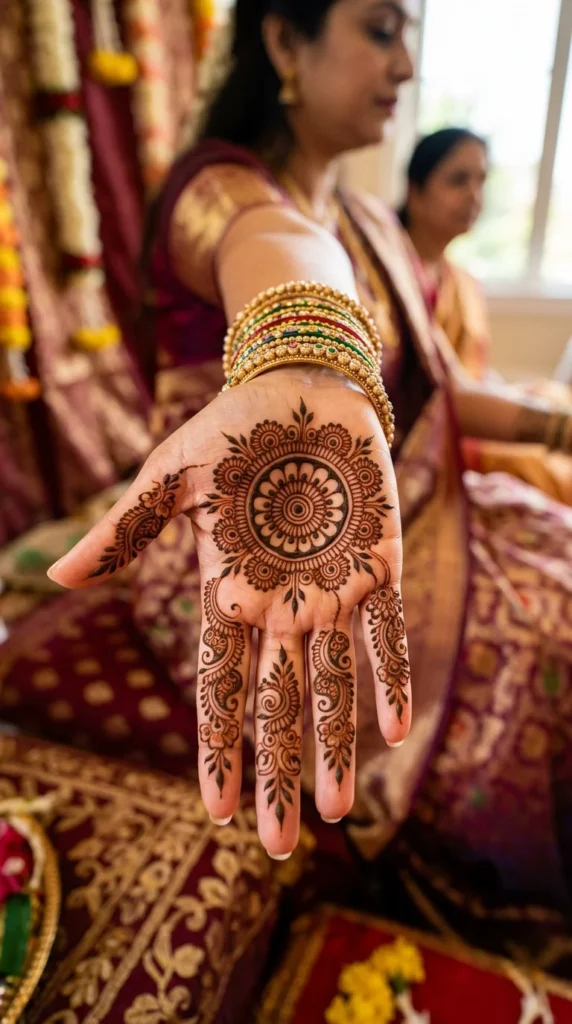
The classic center circle tikki is one of the most loved mehndi styles. It places a bold circular design directly in the middle of the palm, creating an instantly balanced appearance. The simplicity makes it suitable for women of all ages.
This design works beautifully for family events and festive occasions. The circle can be outlined with thicker henna to create a striking focal point. Smaller dots and curved lines around the edge add visual interest without making the pattern feel crowded.
A budget-friendly approach is to start with a coin as a guide. Trace around it lightly and build decorative details around the shape. This method helps beginners create a neat circle without special tools.
You can leave the fingers mostly empty or add tiny motifs for extra detail. The open spaces make the design appear clean and elegant.
Many people appreciate this style because it dries quickly and requires less effort than full-hand patterns. Even with minimal elements, the classic center circle creates a polished and traditional appearance that never goes out of style.
2. Floral Bloom Tikki
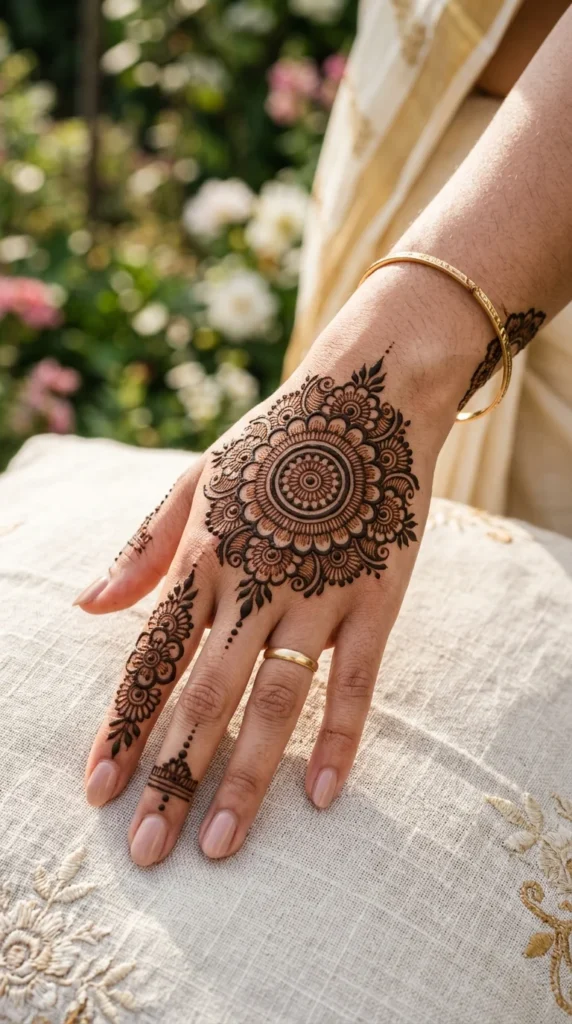
A floral bloom tikki transforms the traditional circle into a flower-inspired masterpiece. Petal shapes surrounding the center create a soft and feminine appearance that suits many occasions.
The beauty of this design comes from its flexibility. Small petals create a delicate style, while larger petals produce a more dramatic look. Both options work well for celebrations and gatherings.
Beginners can start by drawing a central circle and adding evenly spaced petals around it. Once the basic flower is complete, simple dots and curved lines can fill empty spaces.
This design pairs beautifully with floral jewelry and embroidered outfits. The natural theme creates harmony without appearing overly complicated.
For an affordable DIY version, practice petal shapes on paper before applying henna. This helps create smoother curves and better symmetry.
The floral bloom tikki balances traditional charm with artistic detail. It attracts attention without overwhelming the hand and remains one of the easiest ways to achieve an elegant mehndi look.
3. Mandala Layered Tikki
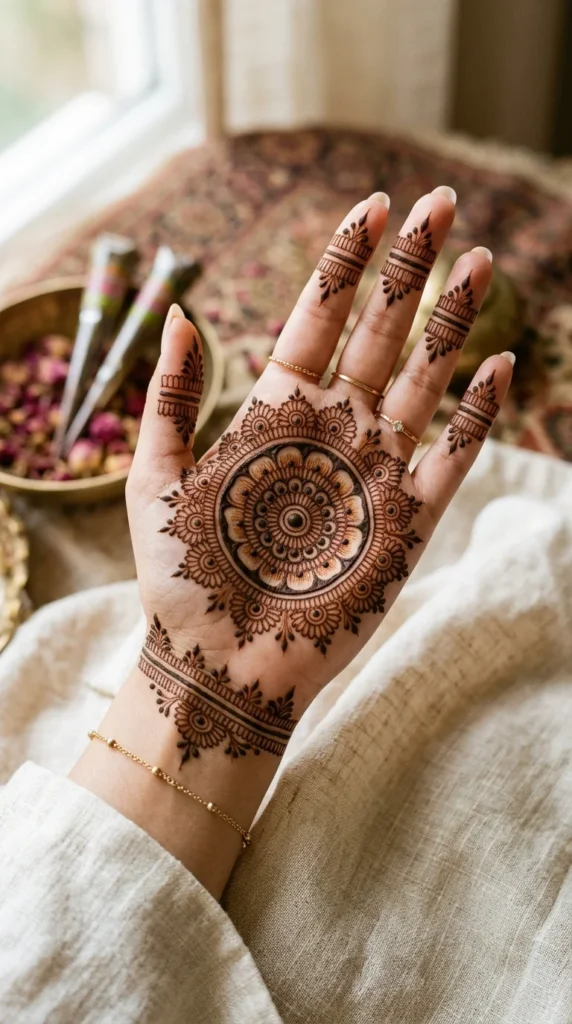
The mandala layered tikki creates a striking appearance through repeated circular patterns. Each layer expands outward from the center, forming a balanced and artistic design.
This style is popular because it looks detailed while following a simple structure. Repeating shapes help maintain symmetry throughout the pattern.
Start with a small central circle and gradually add rings of petals, dots, and arches. Each layer can feature a different motif to create variety.
The design works well for festive occasions where a more decorative appearance is desired. Despite its complexity, it remains approachable for people with moderate mehndi experience.
A practical tip is to sketch the layout lightly before applying thicker lines. This helps maintain even spacing.
Mandala tikki designs often look impressive once the henna darkens. The layered structure creates depth and texture that stands out beautifully on the palm.
4. Arabic Trail Tikki
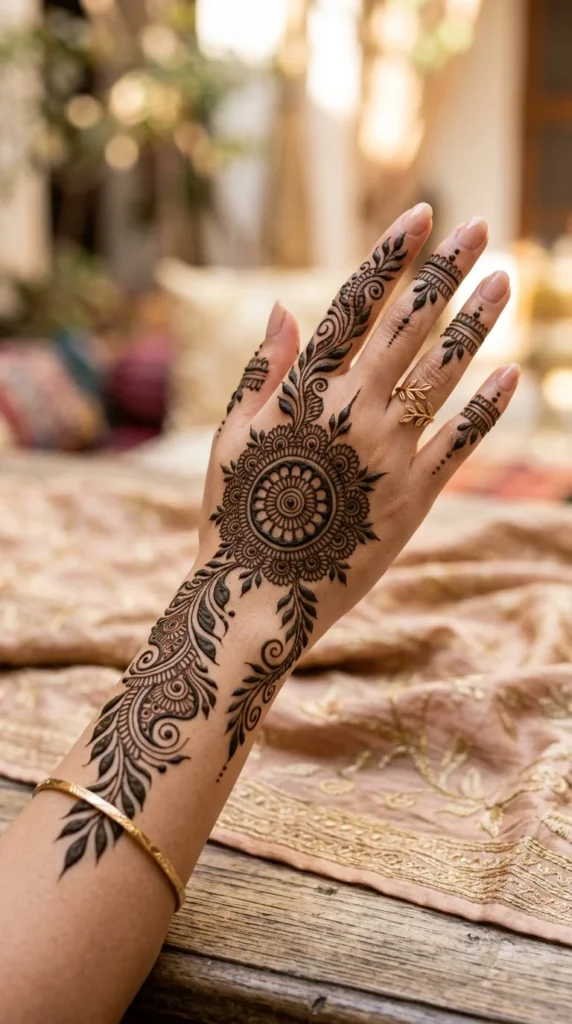
The Arabic trail tikki combines a central motif with flowing patterns extending toward the fingers and wrist. This creates movement and visual interest.
Unlike fully covered designs, this style uses open spaces strategically. The result feels light and elegant while still appearing decorative.
Leaf shapes, vines, and curved lines work especially well for the trailing elements. These patterns can be adjusted based on available time and skill.
A simple DIY version starts with a medium-sized tikki in the center and one decorative trail extending diagonally across the hand.
The design complements both traditional and modern outfits. Its balanced use of detail makes it suitable for many occasions.
Arabic trail tikkis are popular because they offer the beauty of larger mehndi designs without requiring extensive coverage.
5. Peacock Feather Tikki
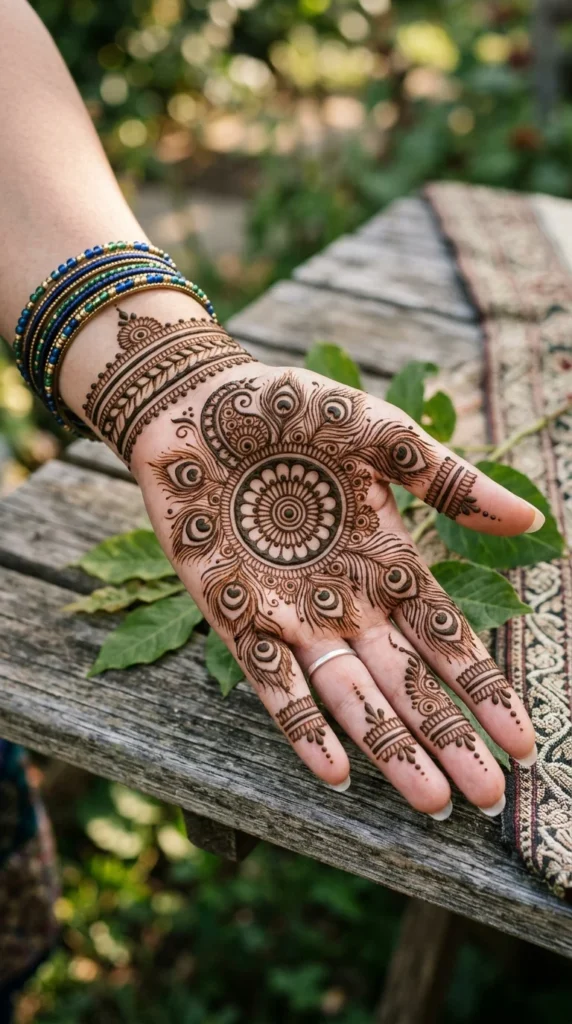
Peacock feather details bring a graceful touch to a traditional tikki design. The elegant curves create a rich and artistic appearance.
The center remains circular while feather-like motifs spread outward. Fine lines and teardrop shapes help capture the beauty associated with peacock artwork.
This design works particularly well during festive celebrations. The decorative details create a special occasion feel without requiring a full-hand pattern.
Beginners can focus on a single feather extension rather than multiple complex elements. Even one feather adds character to the design.
Adding tiny dots between the feather sections enhances the overall appearance while keeping the process simple.
The peacock feather tikki offers a beautiful combination of tradition and creativity, making it a favorite choice for many mehndi lovers.
6. Geometric Pattern Tikki
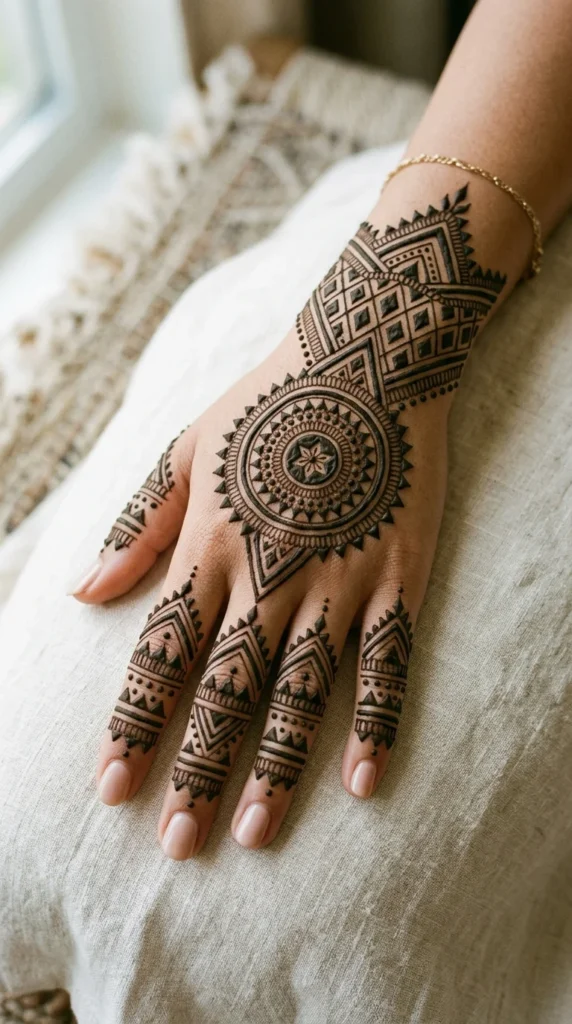
Geometric tikki designs introduce a modern twist to classic mehndi artwork. Shapes such as diamonds, triangles, and lines create a structured appearance.
The clean layout appeals to people who prefer organized patterns over floral styles. Sharp details create visual contrast and make the design stand out.
A simple approach is to place a circle in the center and surround it with repeating geometric shapes. Consistency is more important than complexity.
This style pairs well with contemporary fashion and minimalist accessories.
Practice straight lines and basic shapes before creating the final design. Small improvements in accuracy can greatly enhance the finished result.
Geometric tikkis demonstrate how simple forms can create impressive mehndi artwork with very little effort.
7. Jewelry Style Tikki
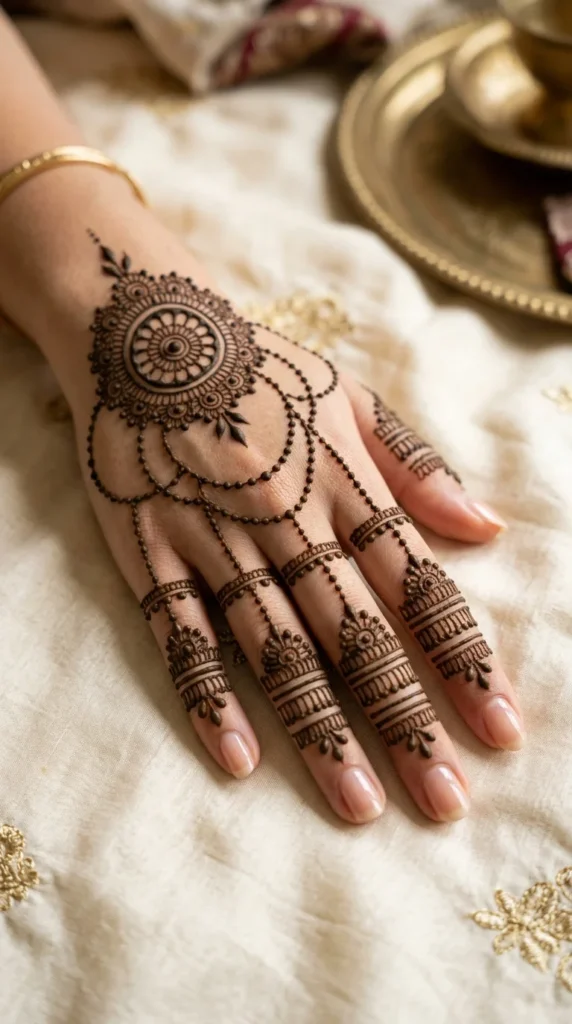
A jewelry-style tikki mimics the appearance of decorative hand ornaments. The central motif connects to the fingers using chain-like patterns.
This creates a graceful effect similar to hand jewelry while remaining entirely made from henna.
Small dots, loops, and curved lines work wonderfully for creating the connecting chains. The overall design can be as simple or detailed as desired.
This style is often chosen for weddings and festive events because it feels decorative and refined.
A practical DIY method is to draw the central tikki first and then add delicate connections gradually.
The jewelry-inspired look offers elegance without requiring expensive accessories, making it a popular option for many celebrations.
8. Minimalist Tiny Tikki
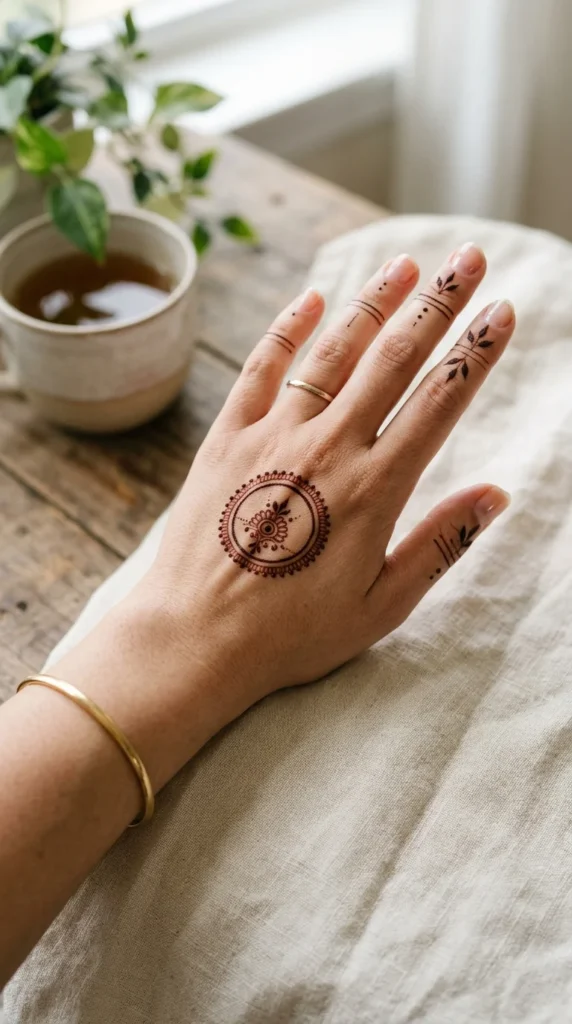
The minimalist tiny tikki proves that small designs can still make a strong impression. A compact center motif paired with subtle accents creates a refined appearance.
This style is ideal for people who prefer understated mehndi. The limited coverage makes application quick and comfortable.
Small dots, miniature petals, or thin outlines can enhance the design without making it appear busy.
The simplicity makes it beginner-friendly and easy to recreate at home.
A tiny tikki also suits everyday wear and informal gatherings. It adds charm while remaining practical.
Many people appreciate how versatile this design can be. It complements various outfits and occasions without drawing excessive attention.
9. Bridal Detail Tikki
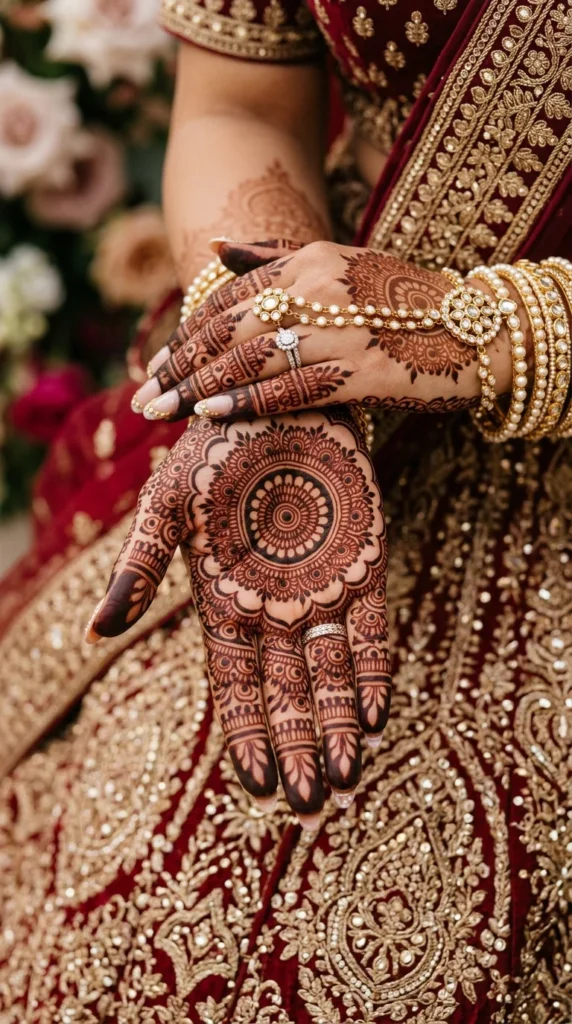
The bridal detail tikki takes the traditional center motif and enriches it with decorative elements. Multiple layers of patterns create a luxurious appearance while maintaining the recognizable tikki structure.
This design works beautifully for engagement ceremonies, weddings, and festive celebrations. The additional detailing adds depth and richness.
Petals, dots, lace-like borders, and curved arches can surround the central circle. These elements create texture without covering the entire hand.
A practical approach is to build the design step by step rather than attempting everything at once.
Even when simplified, bridal-inspired details create an elegant result that feels special and celebratory.
The combination of traditional beauty and artistic craftsmanship makes this style a timeless favorite.
Conclusion
Tikki mehndi designs remain popular because they offer beauty, flexibility, and simplicity in one elegant package. Whether you prefer a classic circle, floral artwork, geometric patterns, or bridal-inspired details, there is a tikki style for every occasion. Many of these designs can be created at home with basic henna supplies and a little practice. By experimenting with different shapes, borders, and decorative accents, you can create hand designs that reflect your personal style while adding instant charm to any celebration.