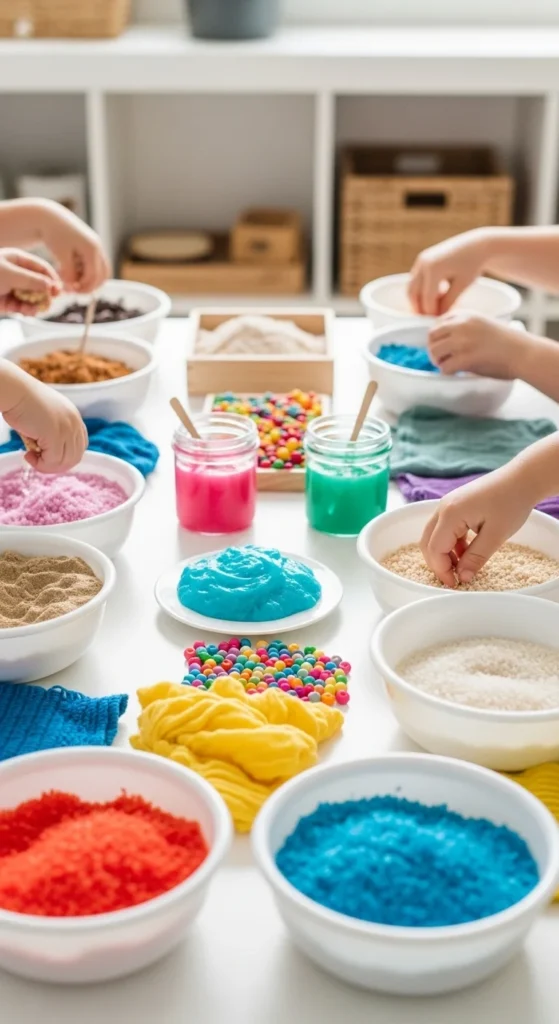
Hands-on play is one of the best ways for kids to learn. Sensory crafts turn simple materials into exciting learning moments. They help children explore textures, colors, and movement while building fine motor skills. You don’t need expensive supplies or complicated setups. Many of these ideas use items already in your home. From squishy slime to textured art, each activity invites curiosity and creativity in a fun, low-pressure way.
1. Rainbow Rice Sensory Bin
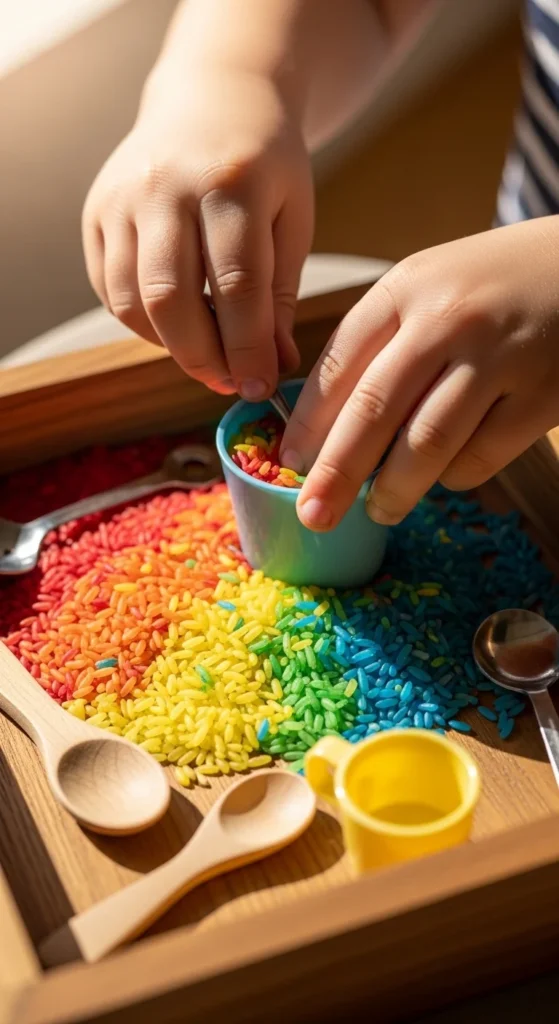
Rainbow rice bins are simple and engaging. Dye uncooked rice with food coloring and let it dry. Pour it into a container and add scoops, cups, or small toys. Kids can pour, scoop, and mix colors. It builds coordination and keeps them busy.
Use a plastic tray to catch spills. Store rice in a sealed container for reuse. Add small animals or letters to turn it into a learning game. It’s affordable and lasts for weeks.
This activity also helps calm busy minds. The soft texture and repetitive motion feel relaxing. It’s great for quiet play time. You can switch colors for different themes. Try pastel for spring or warm tones for fall.
2. Homemade Playdough Creations
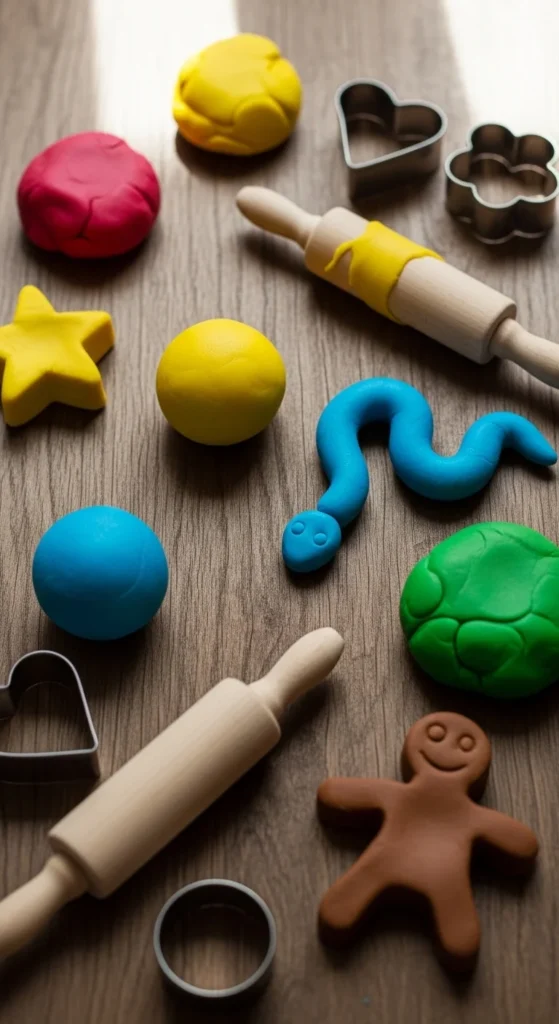
Making playdough at home is easy and cheap. Mix flour, salt, water, and a bit of oil. Add food coloring for variety. Kids can knead, roll, and shape it into anything they like.
Use kitchen tools like cookie cutters and plastic knives. It adds more ways to play. This activity strengthens hand muscles. It also supports creativity and imagination.
Store dough in airtight bags. It lasts for days. If it dries, add a few drops of water. Let kids mix colors together for extra fun. It’s a classic activity that never gets old.
3. Water Bead Exploration
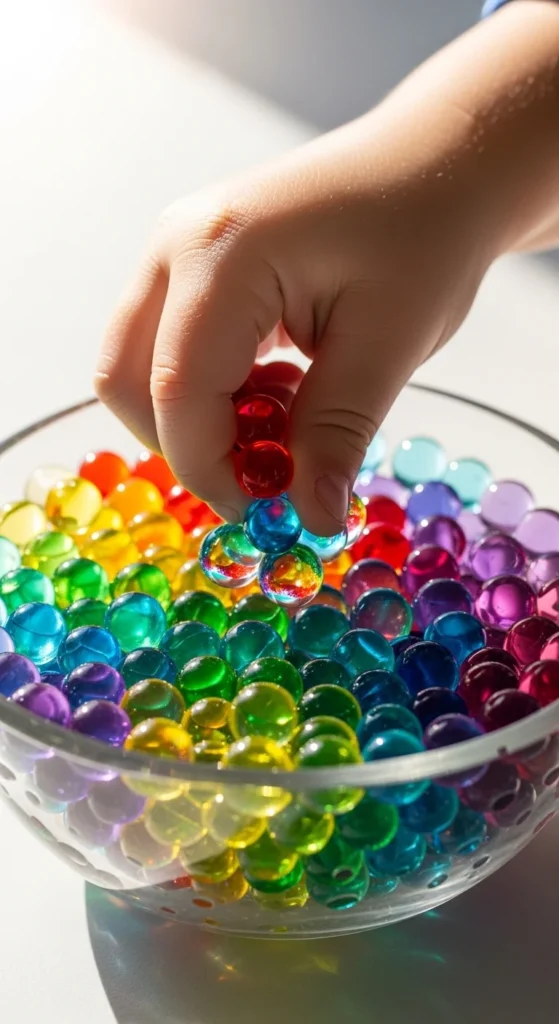
Water beads are smooth and fun to touch. Soak them in water and watch them grow. Place them in a bowl or tray for play. Kids love how they feel in their hands.
Always supervise during play. Keep beads in a contained area. Add spoons or cups for scooping. You can also hide small toys inside for discovery play.
These beads are reusable. Just rinse and store them. They’re great for sensory learning and quiet focus time. The bright colors make the setup even more exciting.
4. Shaving Cream Art
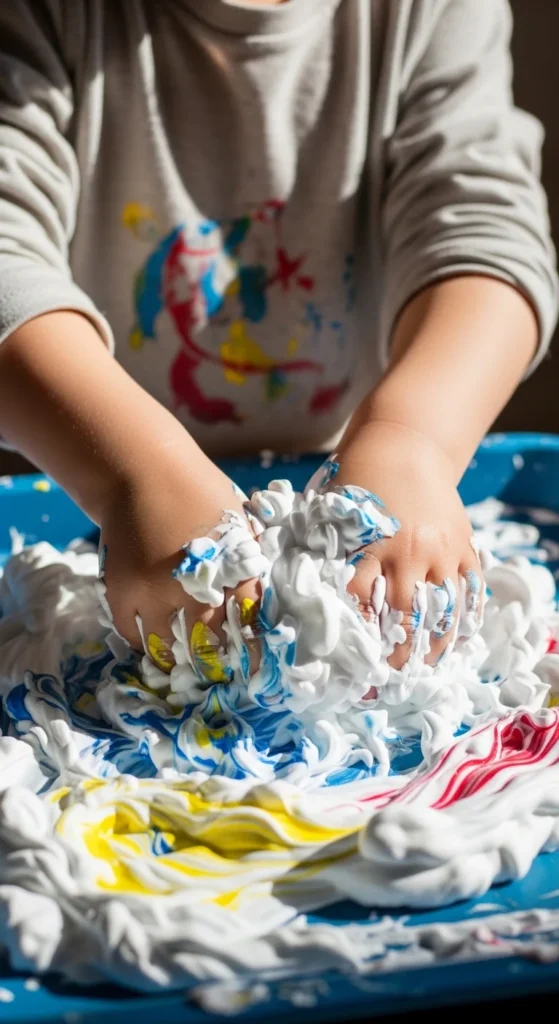
Shaving cream art is messy but fun. Spray foam onto a tray and add drops of paint. Kids can swirl colors with their fingers. It feels soft and smooth.
Use a plastic table cover for easy cleanup. Old clothes help avoid stains. This activity encourages creativity without rules. Kids can explore freely.
You can press paper onto the design to make prints. It adds a creative twist. The texture keeps kids engaged for longer. Cleanup is quick with warm water.
5. Sensory Bottles with Glitter and Oil
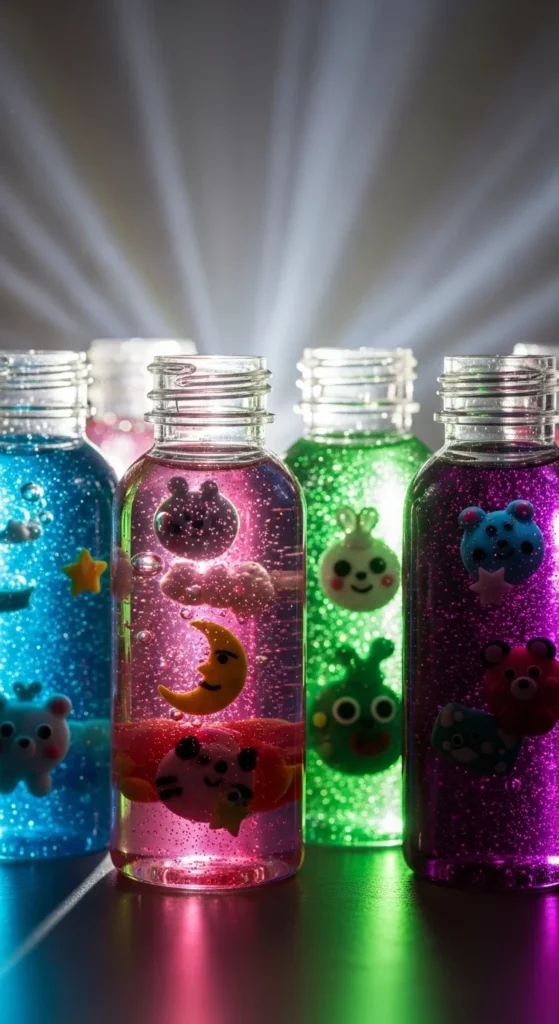
Sensory bottles are calming and easy to make. Fill clear bottles with water, oil, glitter, and small objects. Seal tightly with glue.
Kids can shake and watch the glitter swirl. It’s great for quiet time. The slow movement helps kids relax and focus.
Use recycled bottles to save money. Change themes by adding beads, shells, or tiny toys. These bottles are portable and perfect for travel or waiting times.
6. Kinetic Sand Play Tray
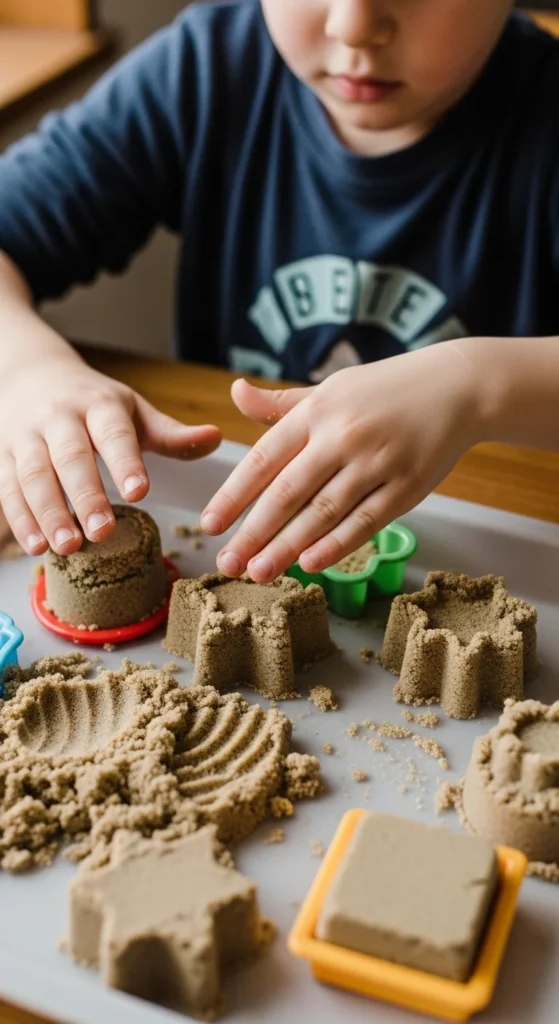
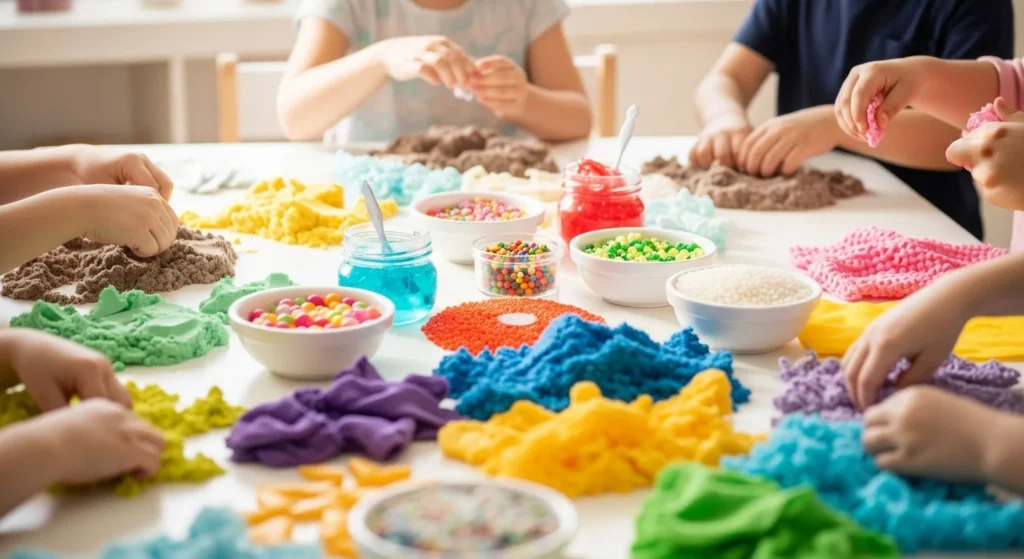
Kinetic sand feels soft and moldable. It holds shape well and doesn’t dry out. Kids can build, press, and cut it.
Use simple molds or cups. A tray helps keep things tidy. It’s less messy than regular sand.
You can make DIY kinetic sand with flour and oil. It’s a budget-friendly option. Kids enjoy the texture and the creative freedom it offers.
7. Textured Collage Craft
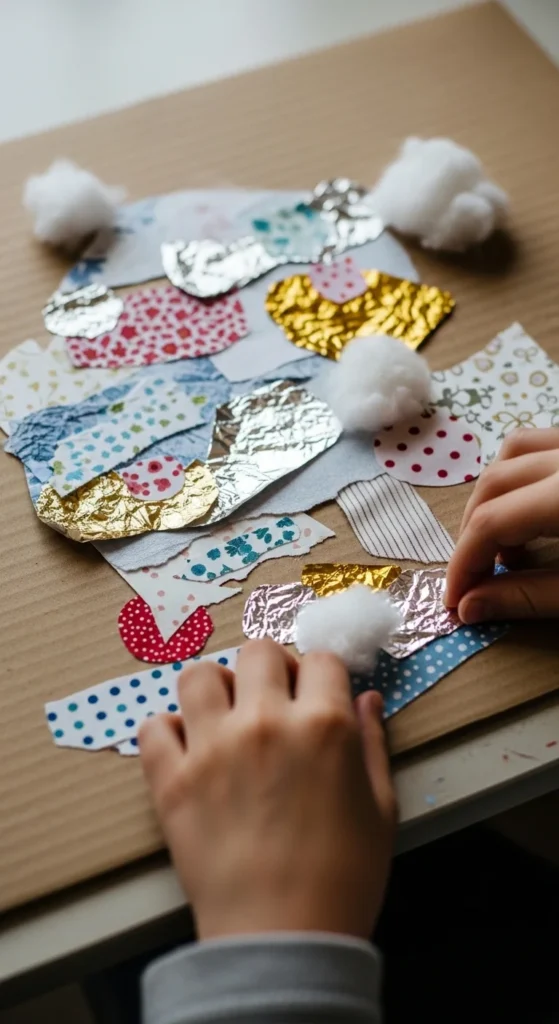
Textured collages use everyday items. Gather fabric scraps, foil, cotton, and paper. Glue them onto cardboard.
Kids explore different textures while creating art. It builds creativity and sensory awareness.
Use old magazines and packaging to save money. Let kids choose their materials. There’s no right or wrong way to create. Each collage is unique.
8. Oobleck Sensory Science
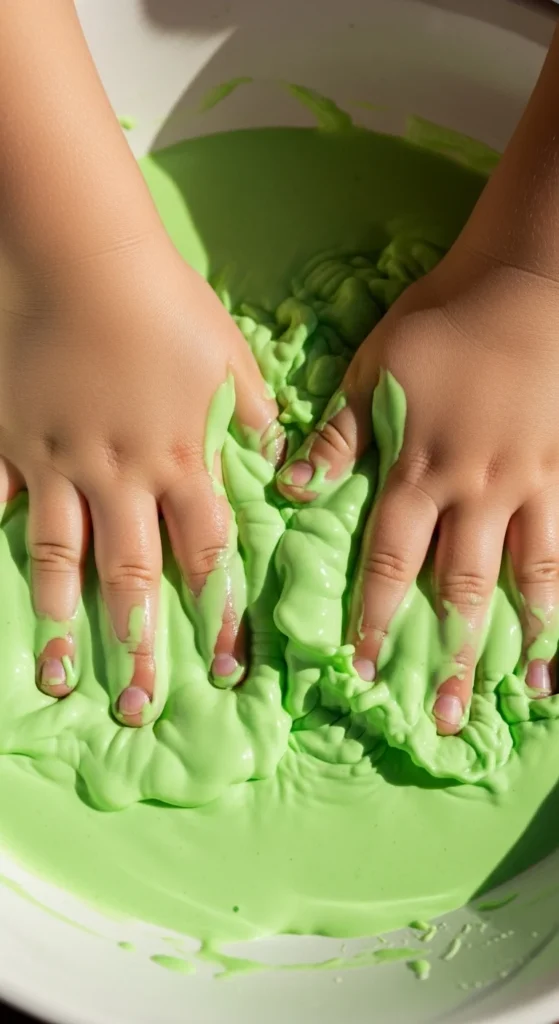
Oobleck is a mix of cornstarch and water. It feels solid when pressed and liquid when released. Kids find it fascinating.
Mix two parts cornstarch with one part water. Add color if you like. Let kids squeeze and explore.
It’s easy to clean and safe to make at home. This activity mixes play with basic science ideas. Kids learn while having fun.
9. Frozen Toy Rescue
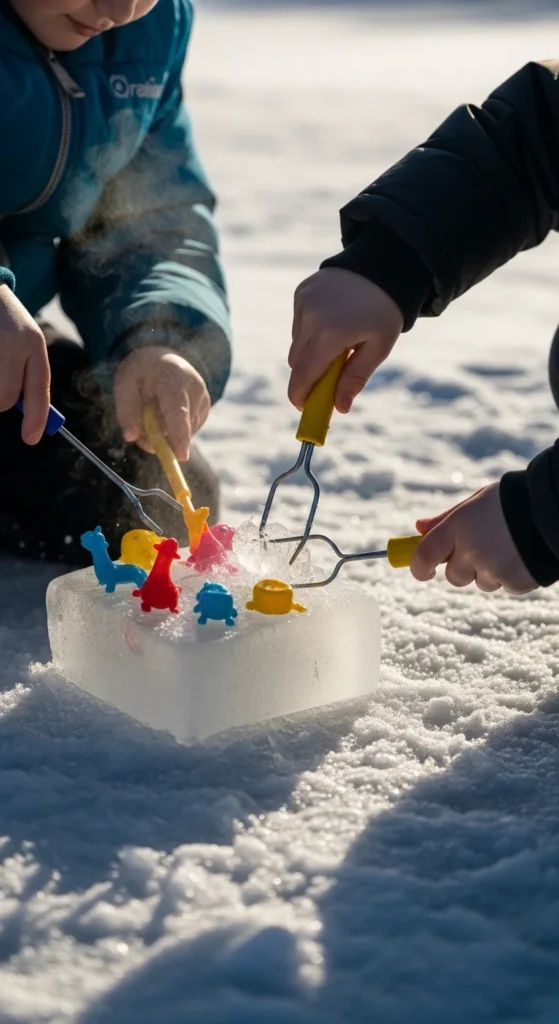
Freeze small toys in water overnight. Give kids tools like spoons or warm water to free them.
This activity keeps kids engaged for a long time. It builds patience and problem-solving skills.
Do it outdoors to avoid mess. Use food coloring for colorful ice. It adds extra excitement.
10. Sensory Path with Household Items
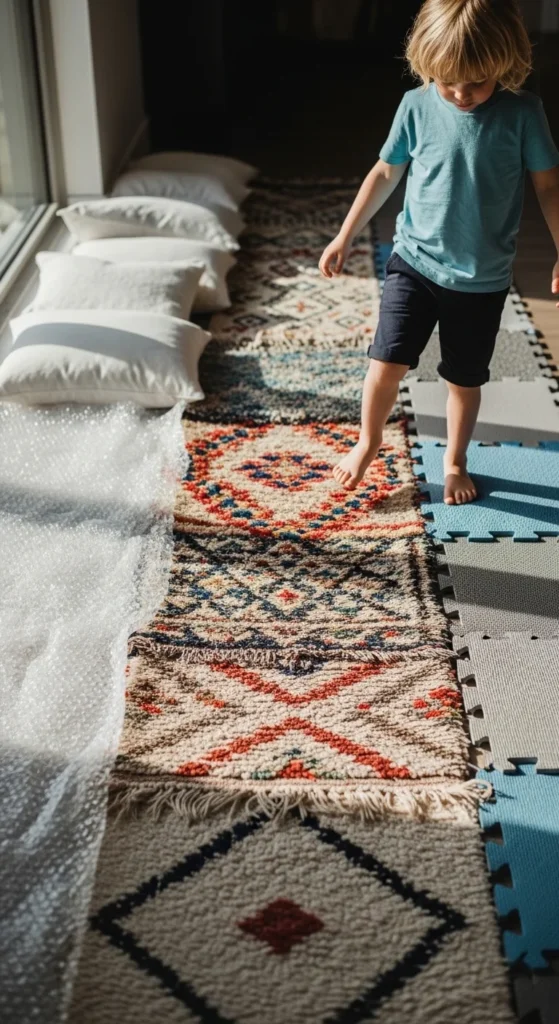
Create a sensory path using items from home. Use pillows, rugs, and bubble wrap. Kids walk barefoot across each surface.
It helps develop balance and coordination. The different textures keep it interesting.
Set it up in a hallway or living room. Change materials often to keep it fun. It’s free and easy to build.
11. DIY Slime Mixing Station
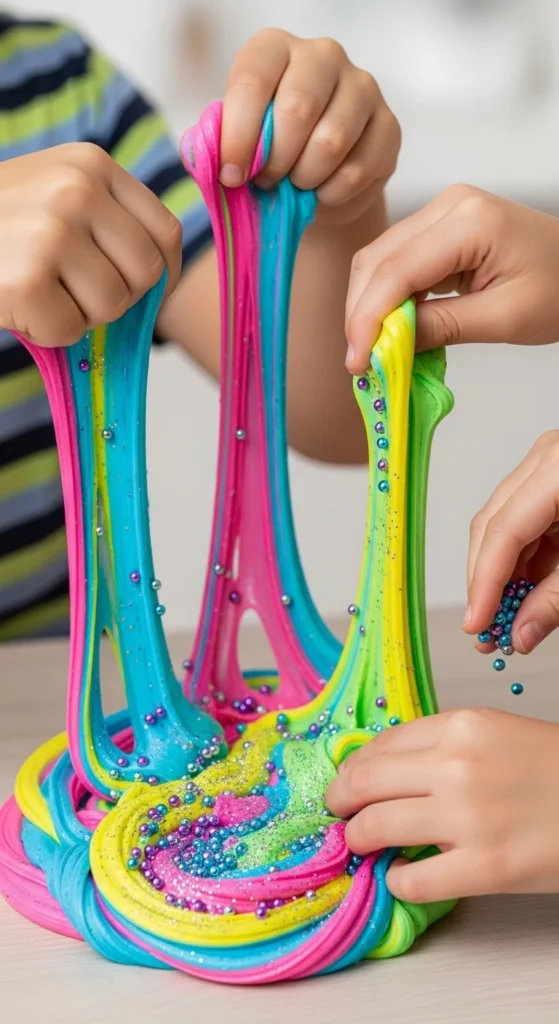
Slime is always a favorite. Make it using glue and activator. Add colors and mix-ins like beads.
Kids enjoy stretching and squishing slime. It’s great for sensory play and stress relief.
Use small containers for easy storage. Try different textures like fluffy or clear slime. It’s a fun weekend project.
12. Pasta Threading Activity
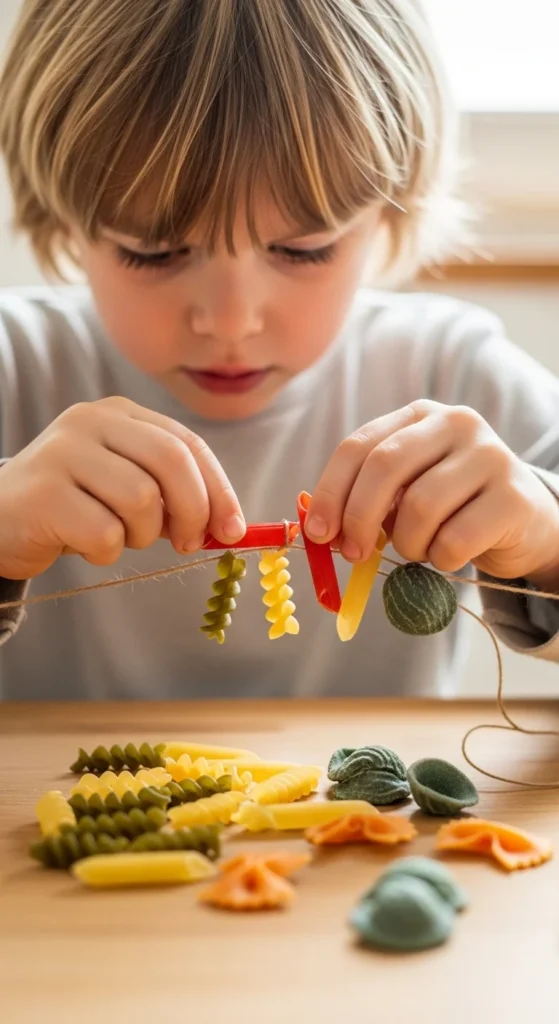
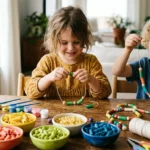
Dye pasta with food coloring and let it dry. Give kids string to thread pieces.
This activity builds fine motor skills. It also helps with focus and patience.
Use shoelaces for younger kids. Make necklaces or patterns. It’s simple and low-cost.
13. Sand and Shell Discovery Bin
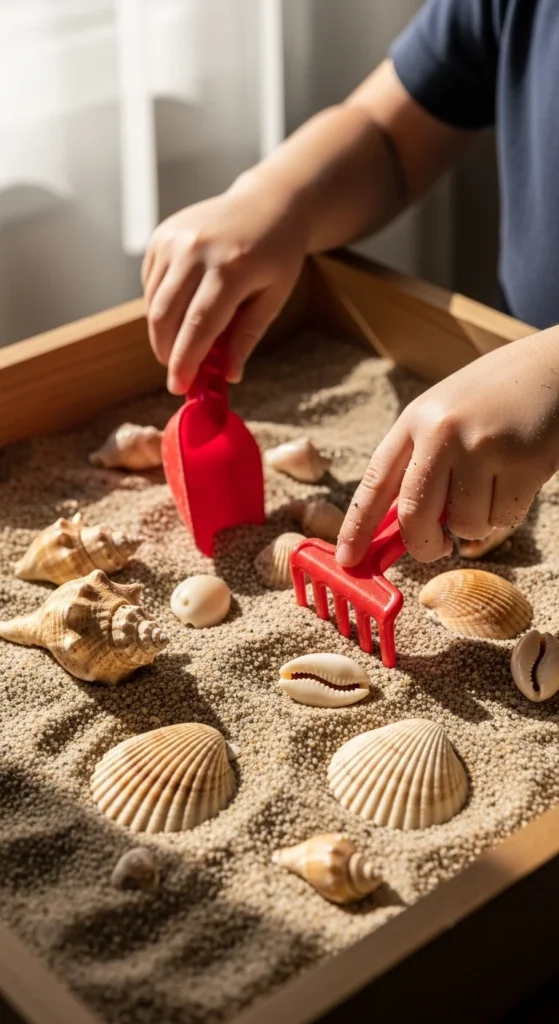
Fill a bin with sand and add shells or stones. Kids can dig and explore.
Use small brushes and scoops. It feels like a mini treasure hunt.
You can reuse sand again and again. Add new items to keep it interesting. It’s great for quiet play.
14. Bubble Wrap Stomp Painting
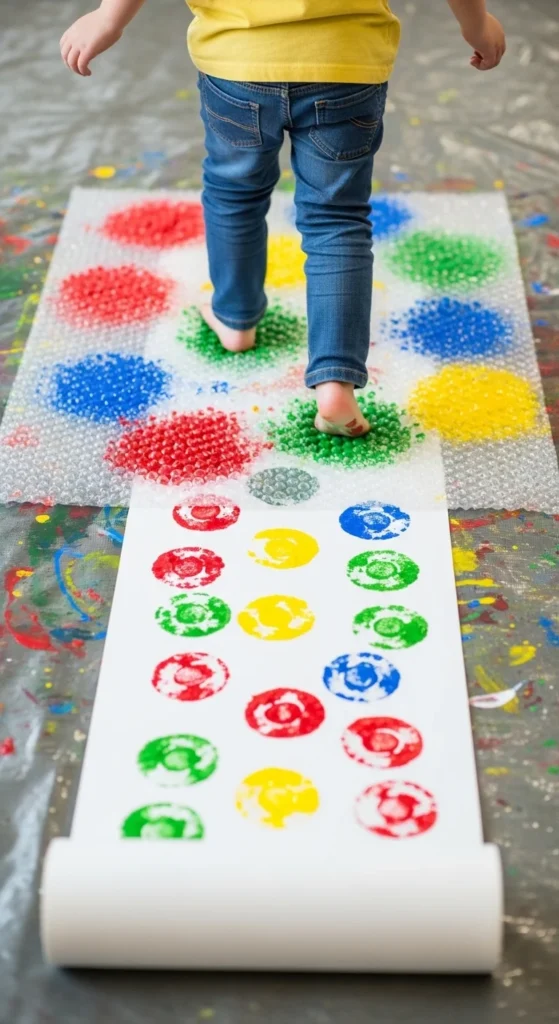
Lay bubble wrap on paper and add paint. Kids can stomp to create patterns.
It combines movement with art. Kids love the popping sound.
Use washable paint for easy cleanup. Try different colors for variety. It’s fun and active.
15. Nature Sensory Tray
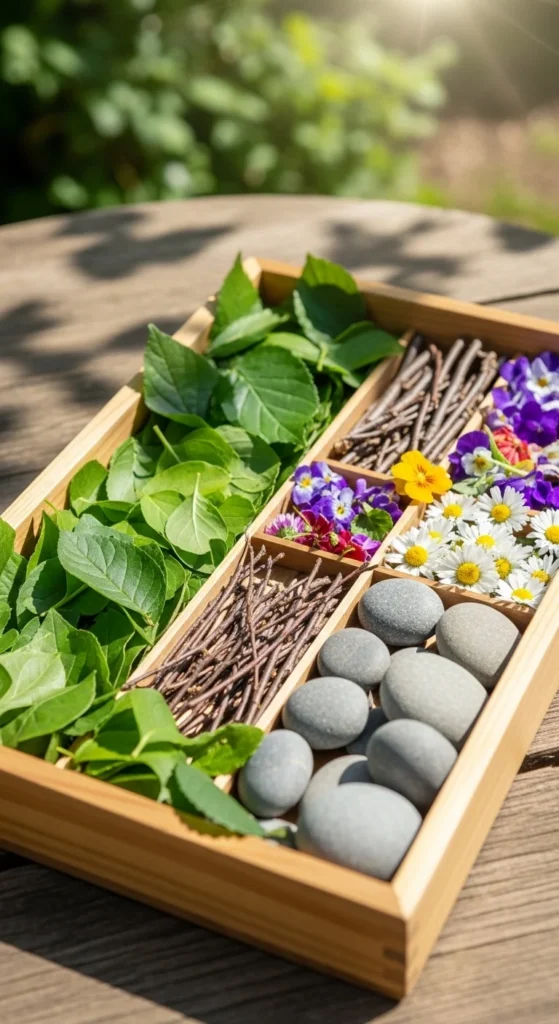
Collect items from outside. Place them in a tray for exploration.
Kids can touch, sort, and arrange. It connects them with nature.
Use what you find nearby. Change items with seasons. It’s free and creative.
16. Sponge Water Play
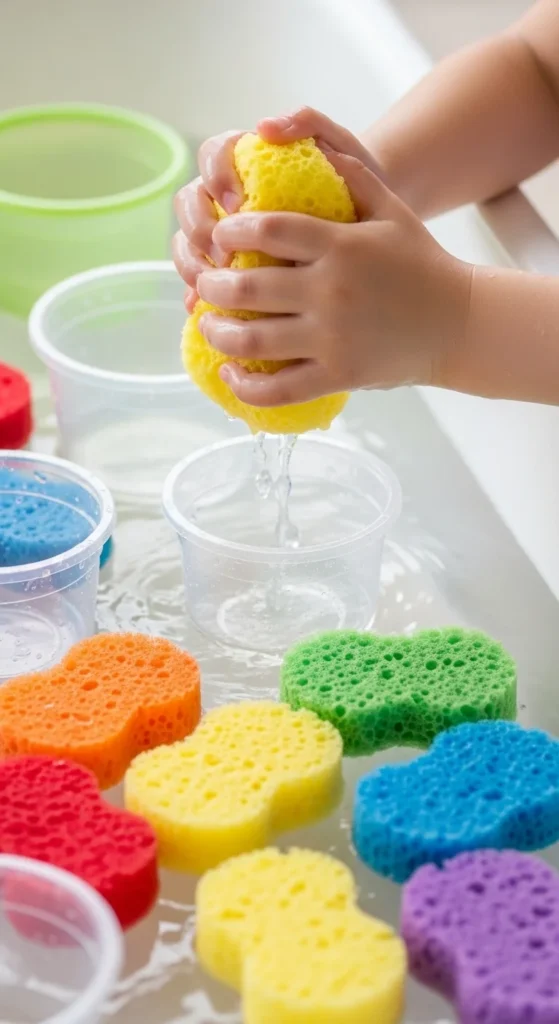
Fill a tub with water and add sponges. Kids can squeeze and transfer water.
It builds hand strength and coordination. It’s also very calming.
Use cups and bowls for extra play. Do it outside for less mess. It’s simple and fun.
17. DIY Sensory Bags
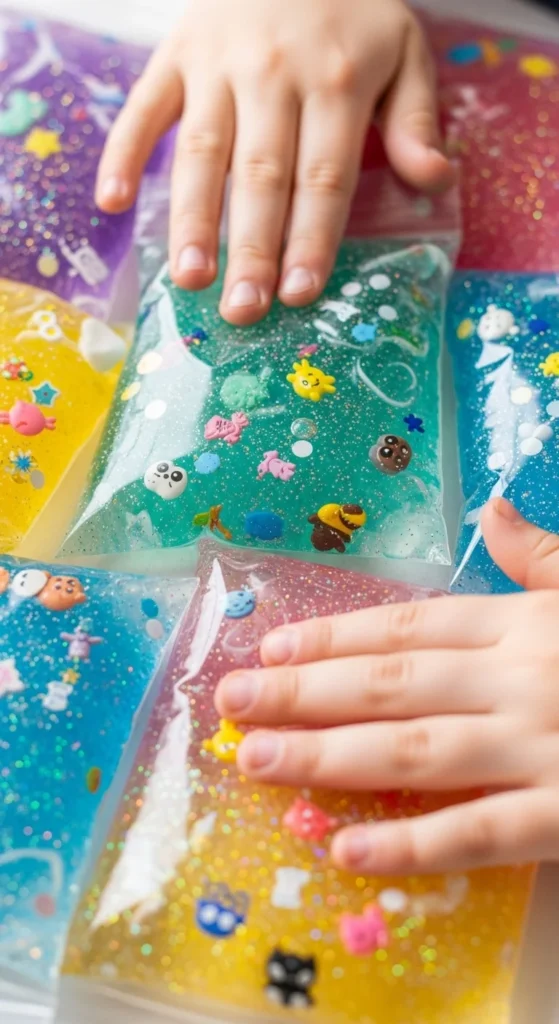
Fill zip bags with gel, glitter, and small items. Seal tightly.
Kids can press and move objects around. It’s mess-free sensory play.
Tape bags to a table for stability. It’s great for younger kids. Use hair gel for a clear look.
19. Ice Painting Fun
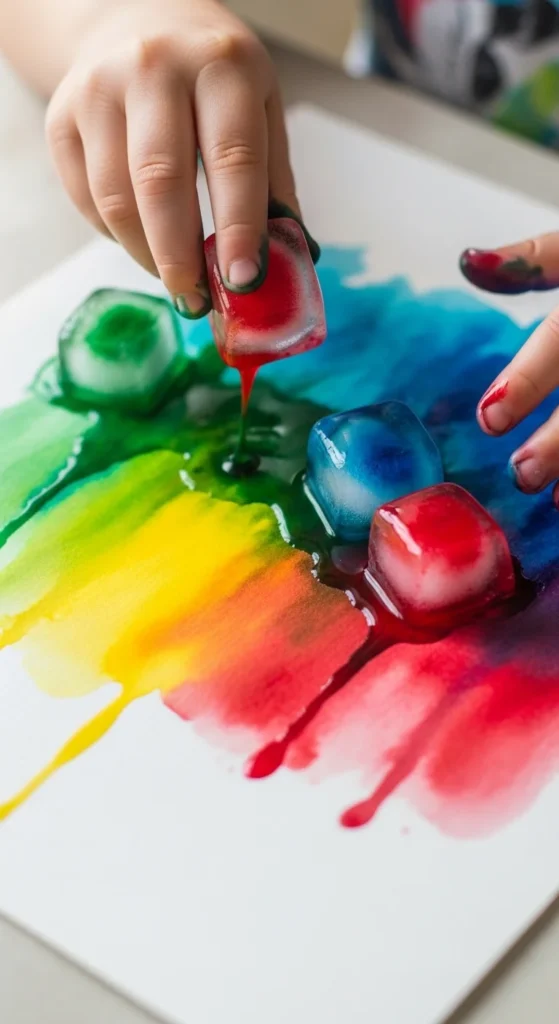
Freeze colored water into cubes. Let kids paint as they melt.
It combines art and sensory play. Kids enjoy watching colors blend.
Use thick paper to avoid tearing. It’s perfect for warm days. Cleanup is easy.
20. Cotton Ball Texture Art
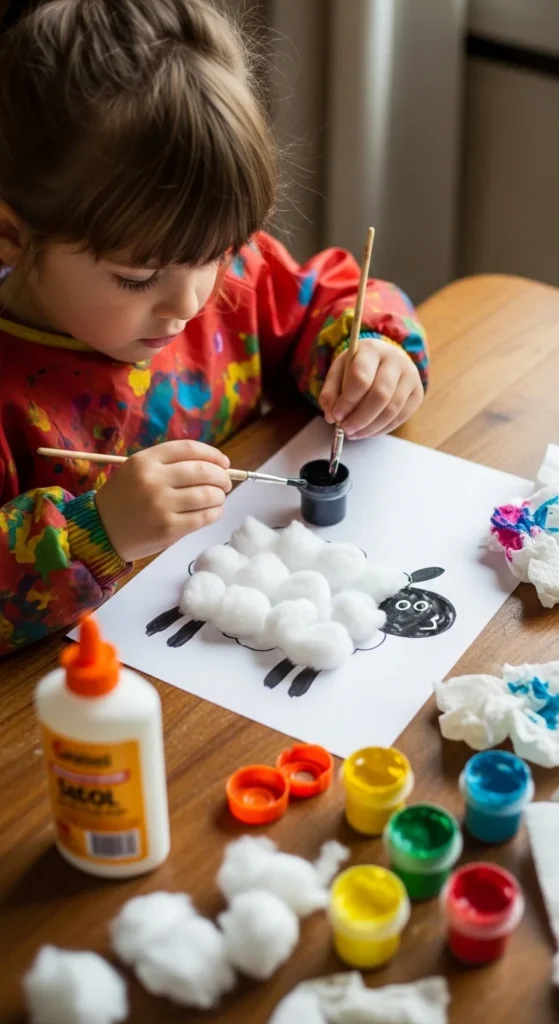
Glue cotton balls onto paper and paint them. It creates soft textures.
Kids enjoy the fluffy feel. It’s simple and safe.
Use colored paper for contrast. It’s a great craft for younger kids. Supplies are cheap and easy to find.
21. Button Sorting and Sensory Play
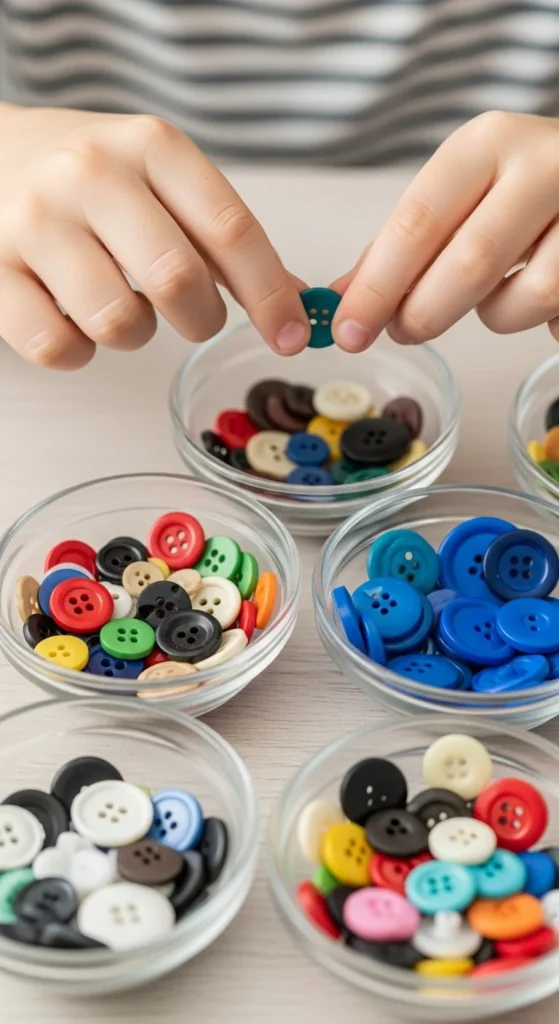
Use a collection of buttons for sorting. Kids can group by size or color.
It builds thinking and sorting skills. It’s also visually engaging.
Use muffin trays for sorting. Always supervise with small items. It’s a simple indoor activity.
Conclusion
Sensory crafts give kids a chance to explore, create, and learn through touch and movement. These ideas don’t require fancy supplies or big setups. Most can be done with items already at home. Try a few activities each week and see what your child enjoys most. Small, hands-on moments like these can turn everyday play into meaningful learning experiences.